MEET THE CREW
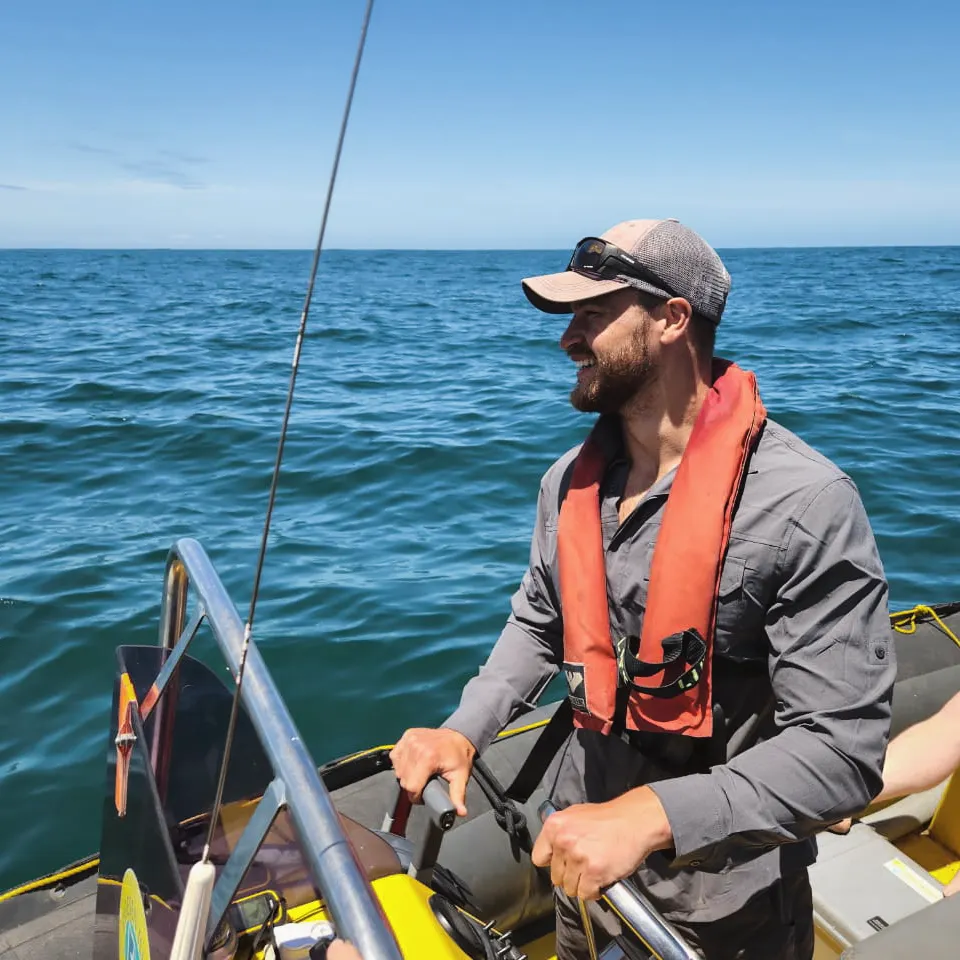
Sean Keyter
The ocean has always been more than just a place—it’s a part of who I am. From as far back as I can remember, its mysteries and treasures have captivated me.
I’ve been fortunate to travel the world, working in some of the most breathtaking marine ecosystems on the planet. From witnessing feeding whales in Alaska and chasing trophy Roosterfish in Costa Rica to fly fishing for wild Dolly Varden in remote Alaskan streams, every adventure has deepened my connection to the sea. Along the way, I’ve explored waters from Mexico and Panama to Guatemala and Australia, each destination revealing its own incredible story.
But of all the places I’ve cast a line, Hout Bay is where I’ve chosen to drop anchor. There’s nothing quite like the rush of landing a monster Yellowfin or watching the world’s largest whale migration unfold before your eyes. It’s a place that never stops surprising, and I can’t wait to share its magic with you.
Aaron Barnes
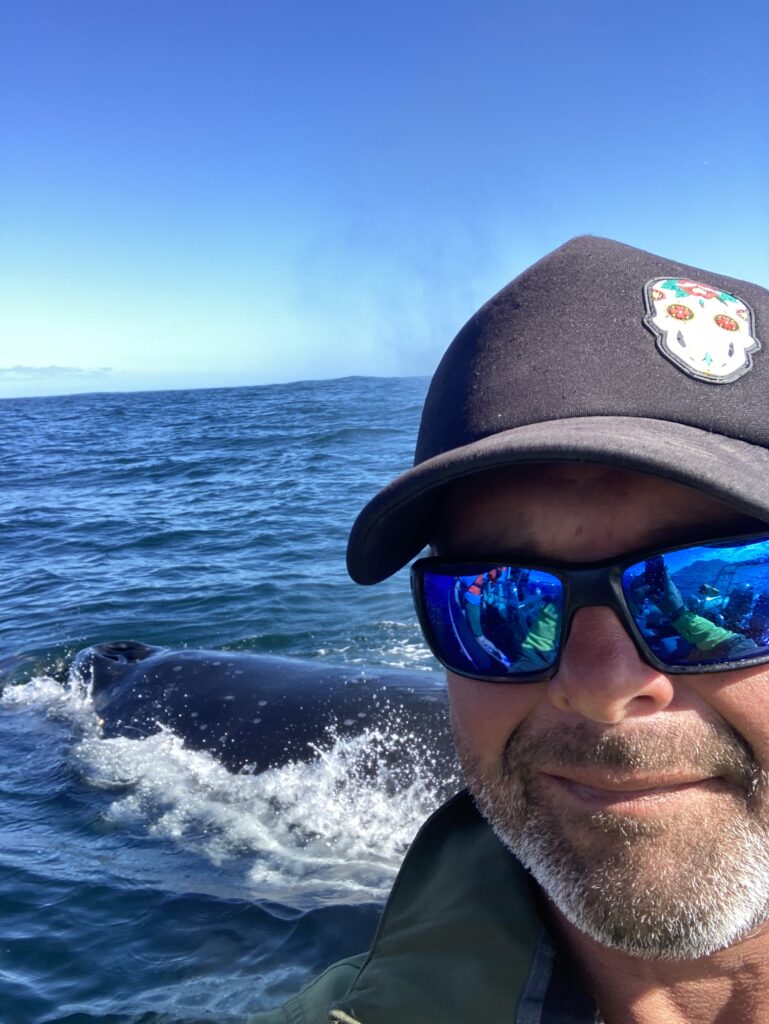
Aaron Barnes is a PhD student registered at the University of Stellenbosch, undertaking his research under the expertise offered at Sea Search Research and Conservation (LINK 1). Aaron completed his BSc and Honors degrees in Biodiversity and Ecology between 2015 and 2018 and later completed his MSc in Zoology with a focus on evolution and molecular biology in 2021. To date, much of Aaron’s research has been focused on terrestrial invertebrates, looking at the origin, divergence and genetic interactions both within and among various species of velvet worms and freshwater crabs. Aaron also worked on Cape Fur seal health and ecology through Sea Search as a research assistant from 2021 to 2023. Now, Aaron is undertaking his PhD with a focus on killer whale ecology around southern Africa and the sub-Antarctic islands of the Indian Ocean. His PhD will attempt to establish a baseline of knowledge for southern Africa while building upon previous research and offering new perspectives for the sub-Antarctic islands.
Specifically Aaron will look at killer whale genetics, diet, demographics and the impact of killer whales on ecosystems through their feeding habits. His aim is to build a platform from which further killer whale research can be conducted in the future while helping to understand and ultimately protect the awesome killer whales.